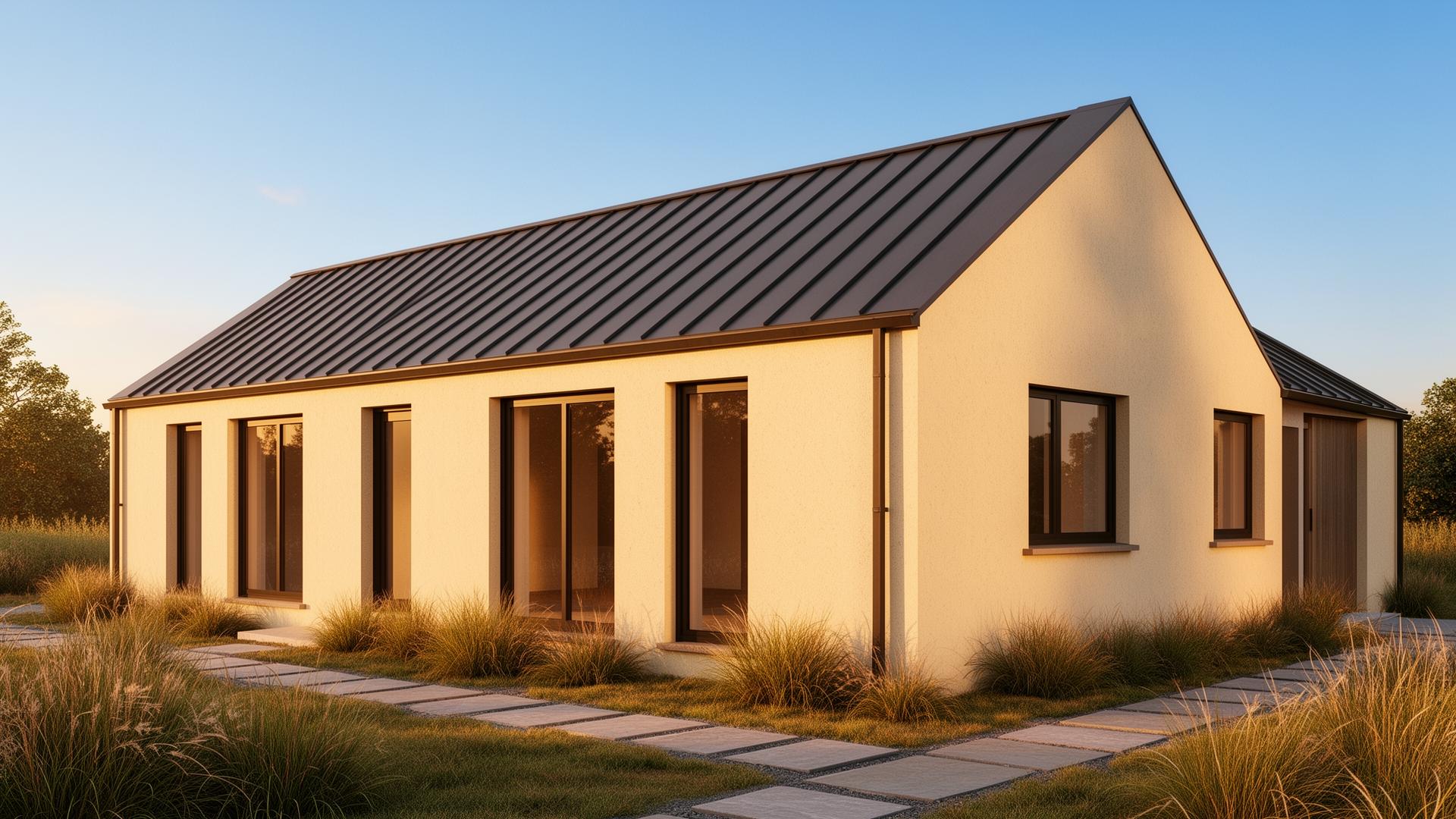
Healthy Home Retrofit & Renovation
Convert an existing home into a healthier, lower-toxin, energy-efficient environment.
Most American homes were built with materials that off-gas, trap moisture, support mold, and underperform thermally. A healthy retrofit is the practical path forward — phased upgrades that measurably improve indoor air quality, energy performance, and long-term durability.
A Six-Phase Retrofit Path
Phases can be sequenced over months or years depending on budget and disruption tolerance.
Phase 1: Assess
Begin with a HomeHealthScan™ assessment to benchmark indoor air quality, moisture, materials, and toxin exposure. Without a baseline, the retrofit is guesswork.
Phase 2: Remove Toxins
Targeted removal of failed spray foam, contaminated fiberglass, vinyl flooring, and solvent-finished cabinetry. This is the single largest indoor air quality improvement on most projects.
Phase 3: Upgrade the Envelope
Add hempcrete insulation, lime plaster overlays, or interior insulation panels where the existing wall is sound. Pair with high-performance windows where the budget supports it.
Phase 4: Add Mechanical Fresh Air
Install an ERV to deliver continuous filtered fresh air. Tight homes need active ventilation; without it, indoor air quality degrades regardless of material choices.
Phase 5: Refinish with Healthy Materials
Lime or clay plaster, natural oil floor finishes, low-VOC paints, and solid-wood cabinetry replace the conventional finish system.
Phase 6: Verify
Repeat the HomeHealthScan™ assessment to confirm measurable improvements. Quantified outcomes are the difference between a healthy home retrofit and a remodel.
Why Retrofit With Hemp-Based Materials
Conventional renovations recreate the same indoor environment that drove the homeowner to renovate in the first place. New drywall, latex paint, foam insulation, vinyl flooring, and engineered cabinets reintroduce the same VOC and moisture-handling problems. A healthy retrofit replaces those material categories with breathable, mineral and bio-based alternatives — hempcrete blocks or panels where insulation is being added, lime plaster where drywall is being replaced, natural oils where polyurethane was used, and ERV ventilation where mechanical fresh air was missing.
Spray Foam Removal
Failed or off-gassing spray foam is one of the most common triggers for a healthy home retrofit. Removal is messy, requires PPE, and demands a plan for the replacement insulation. Lime plaster overlays, hempcrete infill, and dense-packed mineral wool are the most common substitutions. See our spray foam alternatives guide for the full material comparison.
Lime Plaster Overlays
For walls that are structurally sound but covered in conventional drywall and latex paint, a lime plaster overlay is often the highest-impact, lowest-disruption upgrade. The plaster contributes humidity buffering, mold resistance, and a finish that ages gracefully over decades. Compatible with most masonry, lath, and properly prepared drywall substrates.
Indoor Air Quality Improvements
The combination of toxin removal, breathable replacement materials, and active ERV ventilation typically produces a measurable 50–80% reduction in indoor VOC concentration within the first 90 days. Mold pressure drops as humidity stabilizes. Sleep, cognitive function, and respiratory comfort improvements are commonly reported within weeks. Use the HomeHealthScan™ tool to quantify the change.